
Bushfires and the Environment
-
Forest
-
Bushfires
-
Human Impacts


Program Overview
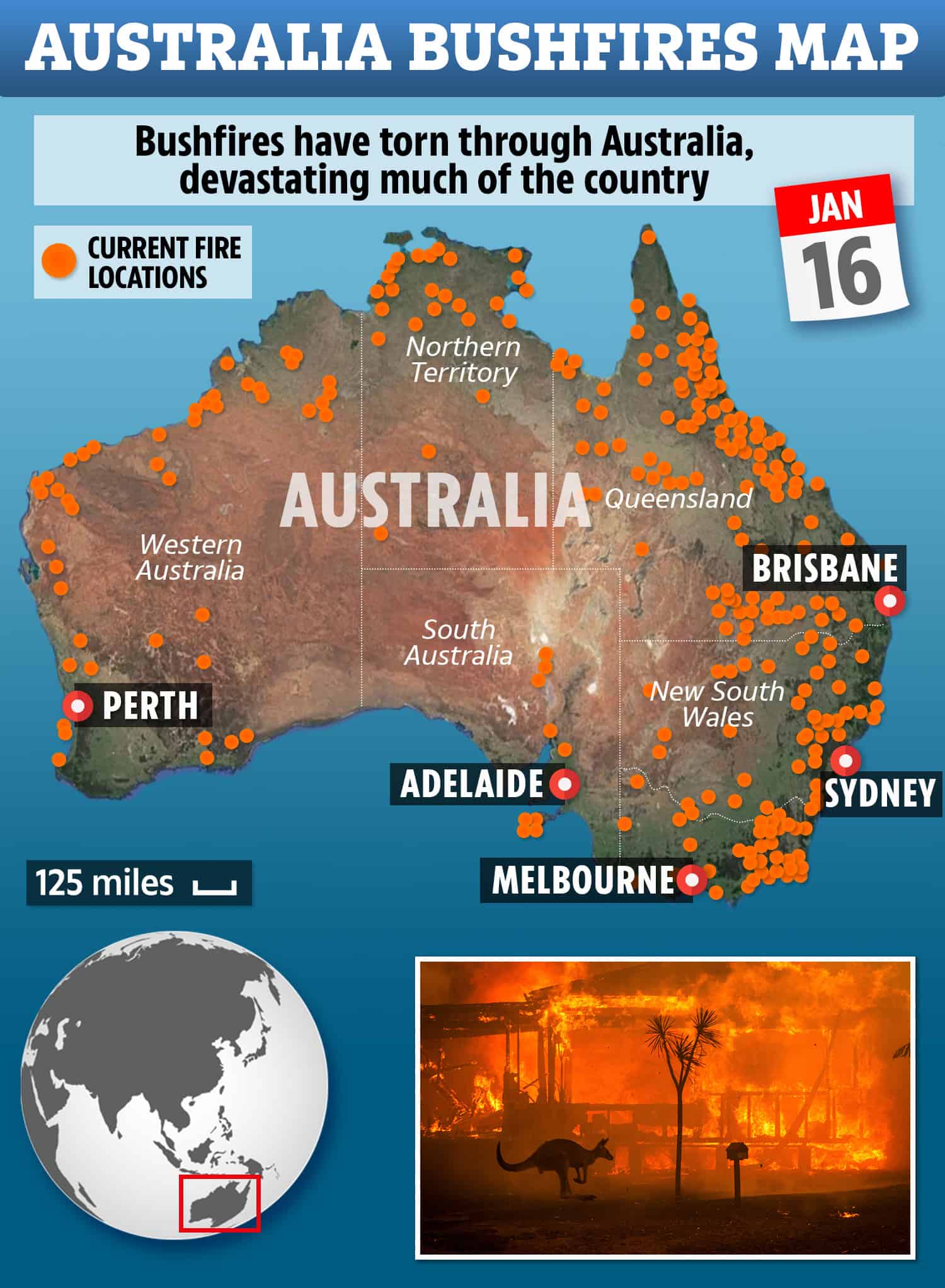
Wildfires are a natural force of the environment that can have tremendous impact on both living and non-living factors in the forest. Investigate how fire affects the plant, animal and human communities in Toolangi; discover how it can change entire landscapes in a short period of time; and complete a hands-on fieldwork data measurement activity to assess present bushfire hazard.
The 4 hour excursion includes a visit to a variety of forest ecosystems, where comparisons will be made between the Mountain Ash and Messmate Eucalypt Forests and a Cool Temperate Rainforest.
Inclusions and Notes
Equipment supplied by Gould League: Safety helmets worn by all participants; workbook and all tools required for fieldwork data collection.
Equipment needed: A chartered bus (which is required to remain with the group at all times). First aid kit, sun screen, insect repellent and PPE including hand sanitiser to kill viruses, bacteria and other micro organisations.
Please note that our Gould League educators will travel on your bus for the duration of your program time. We ask schools to ensure when booking coaches that 1 one seat is allocated for each group booked as they will provide commentary on the bus to students and guide the bus drivers. Please advise the Bookings Coordinator if there is no room on the coach for our educators, and travel fee of $1 per km will be added to your final invoice. This amount will vary according to the activities undertaken on the day which can vary due to local weather conditions. Maximum travel fee is $40. This covers the cost of one vehicle only as Gould League Educators will carpool.
Student needs to bring: Their own water and lunch, sunscreen, a clipboard, pencil, and a copy of the Gould League workbook (usually sent 14 days prior to excursion so copies can be made for students) to guide the forest investigation; bag to take away your rubbish.
Restrictions: This Gould League program is delivered in the Toolangi State Forest, in the North Central Fire District and does not operate on days with a Fire danger rating of Extreme and Catastrophic. On rare occasions, programs may be postponed due to extreme weather predictions involving wind/storms. In both cases, these programs will be rescheduled at the earliest convenience of both parties.
Programs however DO operate during wet/snowy weather. Please contact us to discuss the best timing to optimize your group’s experience and ensure suitable clothing and footwear for the conditions predicted. Plan for wet weather from April-October, and expect temperatures at least 5 degrees colder than suburban Melbourne.
Curriculum Links
🔥 SCIENCE – Science Understanding
VC2SU8U01 – Classification of living and non-living things
VC2SU8U02 – Forms of energy; role of heat in change
VC2SU8U03 – Food webs, energy flow, ecosystem change
VC2SU8U04 – Earth systems
VC2SU8U05 – Forces and motion
VC2SU8U06 – Cells and body systems
VC2SU8U07 – Chemical vs physical change
Science as a Human Endeavour
VC2SU8H01 – Science changes with new evidence
VC2SU8H02 – Collaboration in scientific research
VC2SU8H03 – Science informing decisions (e.g., fire behaviour, climate)
Science Inquiry Skills
VC2SU8I01 – Planning investigations
VC2SU8I02 – Collecting & measuring data
VC2SU8I03 – Tables, graphs, patterns
VC2SU8I04 – Evaluating methods
VC2SU8I05 – Communicating evidence-based explanations
These directly align with your workbook sections on:
🌏 GEOGRAPHY
Geographical Knowledge & Understanding
VC2HG8K06 – Liveability of places
VC2HG8K07 – Interconnections between people, places & environments
VC2HG8K08 – Environmental quality & perceptions of liveability
VC2HG8K09 – Responses to geographical challenges (e.g., bushfire risk)
VC2HG8K10 – Water as a renewable resource
VC2HG8K11 – Liveability & place design
Geographical Skills
VC2HG8S01 – Collecting & recording data (fuel load surveys)
VC2HG8S02 – Maps, diagrams, field sketches
VC2HG8S03 – Interpreting maps & spatial data
VC2HG8S04 – Descriptions, explanations, conclusions
VC2HG8S05 – Communicating geographical information
🏛 CIVICS & CITIZENSHIP – Government & Democracy
VC2CIV8K01 – Roles of government in managing emergencies
VC2CIV8K02 – How people influence decision-making (e.g., fire policy)
Laws & Citizens
VC2CIV8K03 – Laws supporting community safety (fire bans, emergency warnings)
VC2CIV8K04 – Responsibilities of citizens during emergencies
Citizenship, Diversity & Identity
VC2CIV8K05 – Active citizenship (e.g., CFA volunteering, community preparedness)
VC2CIV8K06 – Global citizenship & environmental responsibility
📜 HISTORY – Historical Knowledge
VC2HIS8K01 – Significance of events (e.g., Black Saturday, Black Summer)
VC2HIS8K02 – How events influence change (e.g., new fire rating system, Royal Commission)
The Victorian Curriculum F-10 content elements are © VCAA, reproduced by permission. Victorian Curriculum F-10 elements accurate at time of publication. The VCAA does not endorse or make any warranties regarding this resource. The Victorian Curriculum F-10 and related content can be accessed directly at the VCAA website.