
I Sea Changes – Marine Discovery Excursion
-
Biodiversity
-
Human impacts
-
Living things
-
Habitats
-
Lifecycles
-
Adaptations/features
Program Overview
🌊 I Sea Changes is a gentle, wonder‑filled introduction to the coast for young learners
At Ricketts Point Marine Sanctuary, the shoreline is always changing — tides shift, waves reshape the sand, and tiny creatures adapt to life between land and sea. I Sea Changes invites Level 1–2 students to explore these coastal changes through hands‑on discovery, sensory learning and simple scientific thinking.
Designed especially for younger learners, this program builds curiosity, confidence and care for the natural world. Students observe living things up close, explore how animals and plants meet their basic needs, and discover how weather, seasons and tides shape life at the beach. Every activity is playful, safe and age‑appropriate, encouraging students to notice patterns, ask questions and share their ideas.
🌟 What Students Experience
- Explore the shoreline and discover shells, seaweed, rockpool creatures and natural treasures
- Observe living things and identify their external features and basic needs
- Learn how the coast changes with tides, weather and seasons
- Use senses and simple tools to make observations like real young scientists
- Connect with Country through acknowledgement of Boon Wurrung land, water and custodianship
- Build care and responsibility for protecting marine environments
🐚 A Gentle Introduction to Marine Science
Students learn that living things grow, change and have offspring, and that each creature has features that help it survive in its habitat. Through guided exploration, they begin to understand:
– Why some animals live in rockpools while others prefer sand
– How shells, colours, shapes and behaviours help animals stay safe
– How daily and seasonal changes affect life at the beach
These ideas are introduced through storytelling, sensory activities and hands‑on discovery — perfect for early primary learners.
Students will also be given an insight into how coastal areas where once used by the traditional aboriginal owners. This program can be tailored to suit different levels of understanding, from topic introduction through to topic consolidation. Check out this video to discover what the students will see and experience!
Your program includes:
There are two options for this program – a two-hour program which typically includes the first three of the activities listed below (unless you request an alternative) and a four-hour program which includes all five activities.
Beach Box
Inspect our collection of preserved ocean treasures and identify the features that help these marine creatures survive in the intertidal zone.
Habitat Haven
Participate in habitat-themed games on the sandy shores of Ricketts Point Marine Sanctuary. Discover what happens to creatures when human actions change their homes and what can be done to protect these fragile environments.
Rock Platform Discovery
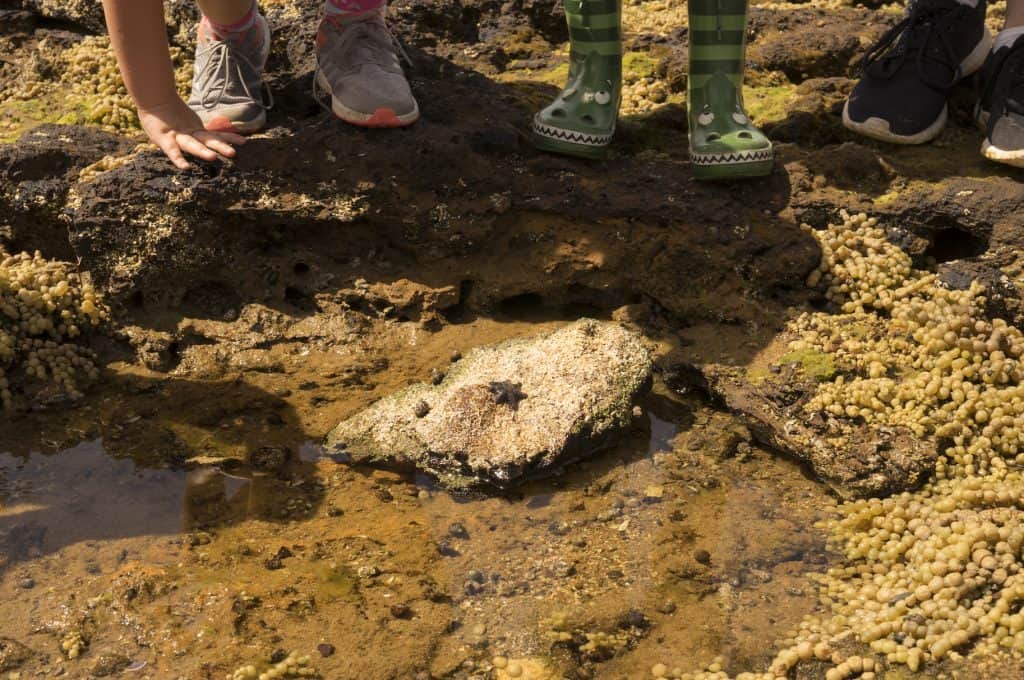
Students will explore the unique intertidal zone and uncover the species that make this challenging environment their home.
Creature Features
Life in the intertidal zone is a daily battle. Students will be introduced to some of the unique features of its inhabitants and how these aid in feeding, movement and defence. Through group collaboration, students will have the opportunity to design their own marine creature.
Bush Treasure Hunt
Explore the coastal vegetation of Ricketts Point Marine Sanctuary and discover the variety of fauna that reside there. Take a step into the past and learn how this habitat provided the traditional aboriginal owners with their needs.
Both programs conclude with:
Call to Action
By defining their connection to the coastal environment, students will develop everyday actions they can take to reduce their impact on the marine environment.
Certificate and Conservation Code to reinforce learnings
Post event, schools will be issued a Certificate of Participation and Conservation Code for each class which students are encouraged to sign and hang in the classroom as a reminder of their learnings and their commitment to protect the environment.
We encourage schools to connect with us a few weeks or months after school excursions to share behaviour changes made by the students or activities undertaken as a result of their learnings during “I Sea Changes” so we can share success stories to inspire others, monitor the ongoing impact of our programs and make relevant updates or changes if required.
Restrictions: The program is dependent on tides therefore available dates are limited. More than four classes can be accommodated by special request – only available during a four-hour program.
Equipment needed: Appropriate clothing and footwear (long sleeve top, long pants, jacket, hat/beanie, soft-soled shoes e.g. runners). Students participating in the two-hour program will need to bring a snack and water. Classes undertaking the four-hour program will also need to bring lunch.
Victorian Curriculum Links
🧪 Science – Science Understanding
VC2SCU02 — How people use science in their daily lives
VC2SCU03 — External features and basic needs of living things
VC2SCU04 — Growth, change and offspring
VC2SCU06 — Daily and seasonal changes and their effects
🔍 Science – Science Inquiry Skills
VC2SCS01 — Participate in guided investigations using observations and senses
VC2SCS04 — Represent and communicate observations in different ways
🌏 Geography – Geographical Concepts & Skills
VC2HG02 — Identify and describe features of places and how they change
Applies to beaches, rockpools, and coastal environments.
VC2HG03 — Describe and explain where places and activities are located
Supports mapping the excursion site and identifying marine zones.
VC2HG04 — Identify how people are connected to different places
Links to how communities use and care for marine environments.
VC2HG05 — Collect and record geographical data from field and other sources
Matches field observations during the excursion.
🌏 Geography – Geographical Knowledge
VC2HGK01 — What makes places special and how they can be cared for
The Victorian Curriculum F-10 content elements are © VCAA, reproduced by permission. Victorian Curriculum F-10 elements accurate at time of publication. The VCAA does not endorse or make any warranties regarding this resource. The Victorian Curriculum F-10 and related content can be accessed directly at the VCAA website.