
Living Connections
-
Biodiversity
-
Worms & Compost
-
Human Impacts
-
Insects
-
Living things
-
Plants
-
Sustainability
Program Overview
Living Connections invites young learners to discover the remarkable ways plants, animals and people are linked within the natural world. Through hands‑on exploration, students investigate the features that help living things survive, observe how they grow and change, and uncover the hidden biodiversity thriving in school gardens and local habitats.
Across engaging modules—including minibeast discovery, lifecycles, compost creatures and human impacts—students build scientific inquiry skills as they observe, classify, record and discuss what they find. They also learn how their own actions can help protect and care for the places that are important to both people and wildlife.
This immersive excursion supports students to develop curiosity, confidence and a deeper appreciation of the living world, empowering them to recognise their role in keeping our environments healthy, connected and full of life. Check out this video to discover what your students can learn through this program at Beaconsfield!
Program Outline:
There are two options for this program. The 2 hour short program includes three activities listed below (selected upon booking). The 4 hour long program includes all five activities.
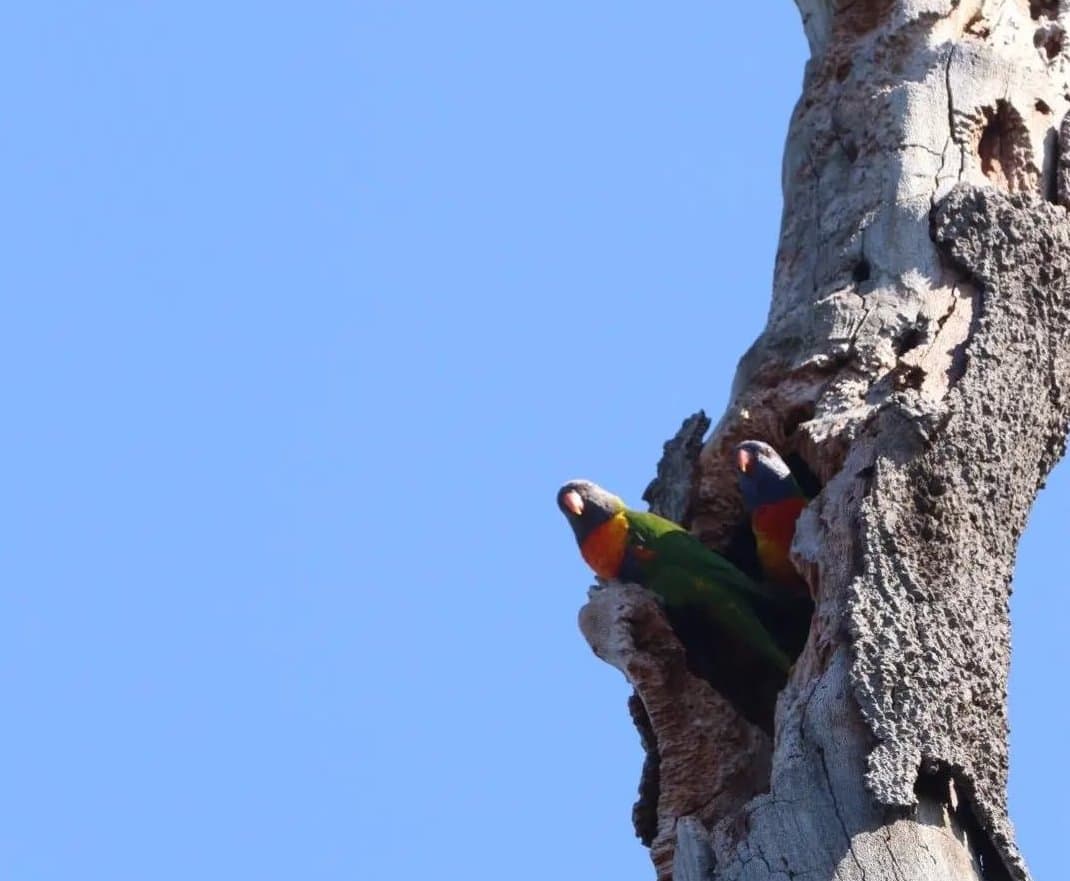
Habitat Exploration (Mini Beasts, Plants and Birds)
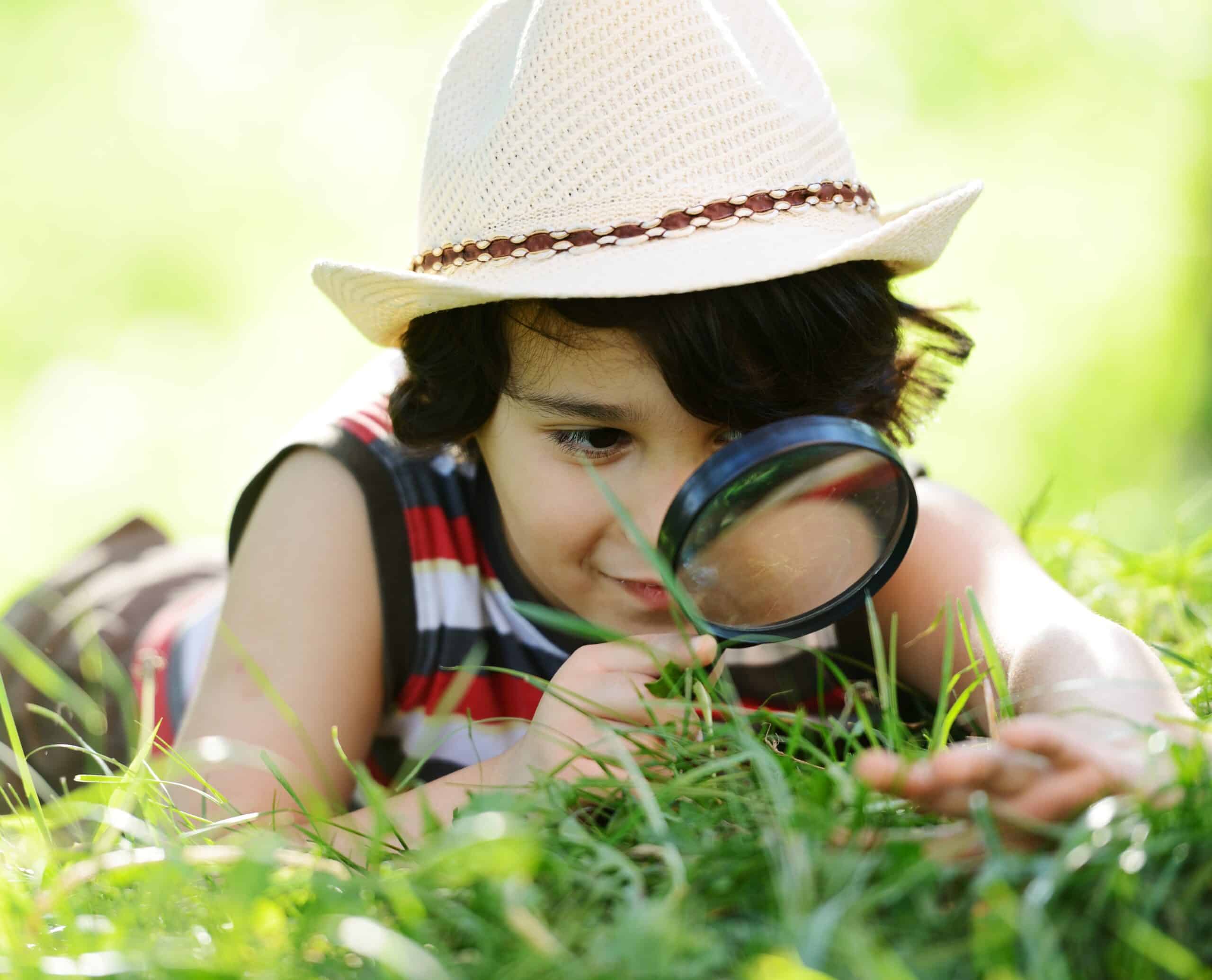
Students investigate habitats available within the grounds of our Sustainability Centre, uncover and collect samples of the mini beasts which they view via the aid of a video microscope in our rainforest themed room known as “The Hollow”.
Life Cycles and Habitats
Students will inspect the various stages of the life cycles of a peanut, butterfly and frog and examine their importance within different habitats. We introduce the concept of metamorphosis and through a hands on activity, learn how to make a frog habitat/pond.
Compost Bin & Worms
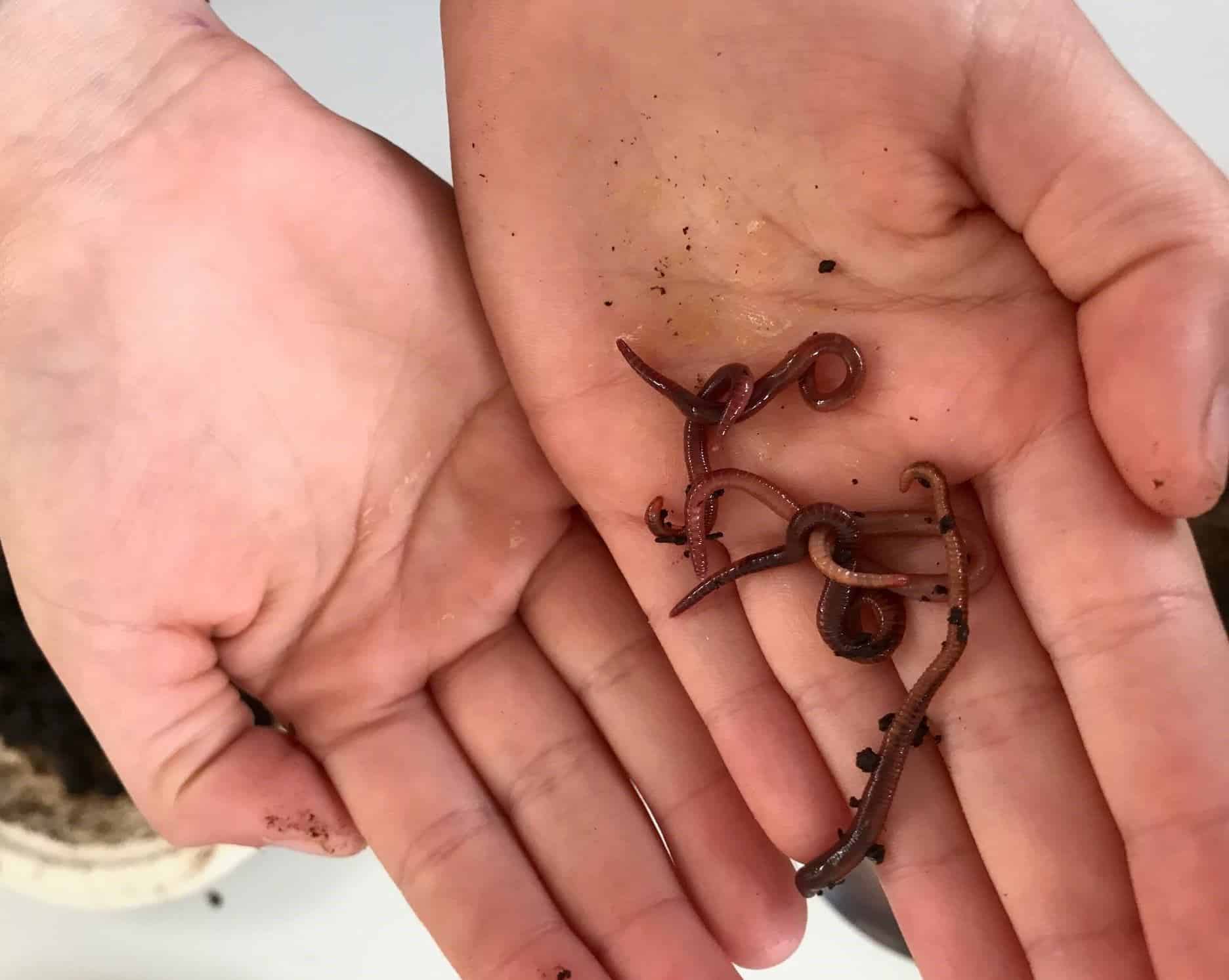
Travel through our shrinking machine and immerse yourself in our compost bin and its wealth of invertebrates. Also meet our friendly earthworms and and discover why worms and composting are really important for healthy soil – and why we need healthy soil!
We’re ALL connected
Discover the relationship between flowering plants, garden invertebrates and birds through this drama based activity. Students discover all the components required for successful composting and how our gardens can benefit from recycling our organic waste.
Water Connections
Students discover how different inland water ways connect to each other and in turn the ocean. They learn the different features of a river at the different stages of its existence and develop a greater understanding of how a range of human activities, both terrestrial and water based, can impact the water courses and the ocean.
Both programs conclude with:
Call to Action
Students will derive actions they can take to ensure that gardens around their home, school and local community are able to support native wildlife.
Special allowance: 4 or more classes can be accommodated by special request however this is only available during a 4 hour program.
Certificate and Conservation Code to reinforce learnings
Post event, schools will be issued a Certificate of Participation and Conservation Code for each class which students are encouraged to sign and hang in the classroom as a reminder of their learnings and their commitment to protect the environment.
We encourage schools to connect with us a few weeks or months after school excursions to share behaviour changes made by the students or activities undertaken as a result of their learnings during their program so we can share success stories to inspire others, monitor the ongoing impact of our programs and make relevant updates or changes if required.
Victorian Curriculum Links:
🔬 SCIENCE – Biological Sciences
VC2SC2U01 — Living things have external features that help them survive.
VC2SC2U02 — Living things live in different places where their needs are met.
VC2SC2U03 — Living things grow, change and have offspring similar to themselves.
VC2SC2U04 — Living things depend on each other and the environment to survive.
🔍 SCIENCE – Science Inquiry Skills
VC2SC2I01 — Make observations using the senses to explore and answer questions.
VC2SC2I02 — Record observations and represent ideas in simple ways (drawings, discussions, graphs).
VC2SC2I03 — Compare observations with predictions and share findings with others.
🌏 GEOGRAPHY – Places & Our Connections to Them
VC2GG2U01 — Places have meaning and importance to people.
VC2GG2U02 — People influence places and are influenced by them.
VC2GG2U03 — Ways places can be cared for to ensure they are valued and sustained.
📊 GEOGRAPHY – Data & Information
VC2GG2I01 — Collect and record geographical data and observations from the field.
VC2GG2I02 — Represent data using simple maps, tables or graphs.
The Victorian Curriculum F-10 content elements are © VCAA, reproduced by permission. Victorian Curriculum F-10 elements accurate at time of publication. The VCAA does not endorse or make any warranties regarding this resource. The Victorian Curriculum F-10 and related content can be accessed directly at the VCAA website.