Everything Beachy
-
Biodiversity
-
Human Impacts
-
Classifications
-
Feeding Relationships
-
Living Organisms
Program Overview
Students step straight into a living coastal classroom in Everything Beachy, Gould League’s immersive Level 3–4 marine science and geography program. Through hands‑on exploration, guided investigation and playful discovery, students learn how living things survive along the shore, how humans impact marine environments, and how we can all help protect our precious coastal places.
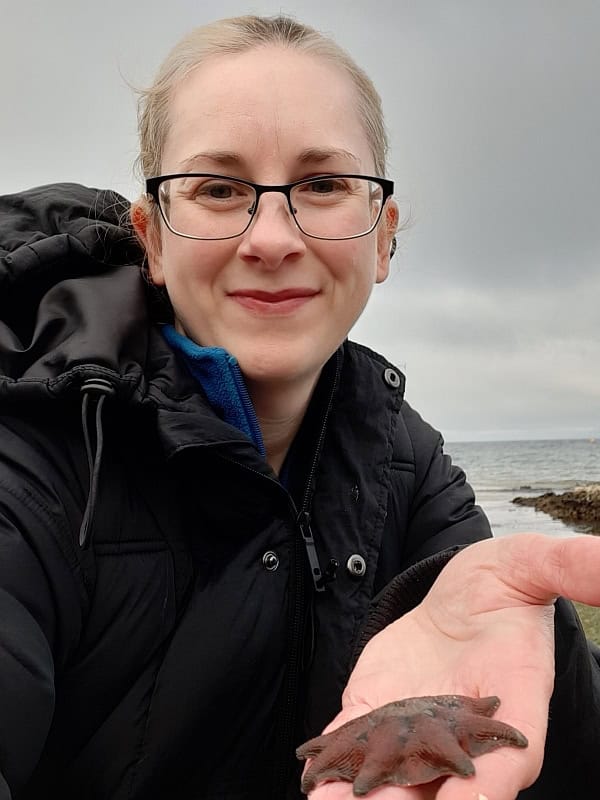
Everything Beachy brings science and geography to life through three interactive modules delivered at the stunning Ricketts Point Marine Sanctuary. Students investigate rockpools, classify coastal artefacts, explore food webs and examine the impact of marine debris — all while building real scientific inquiry skills.
Across the session, students:
– Reflect on how people feel about places and why we protect them
– Classify marine organisms using observable features
– Discover the difference between living, non‑living and once‑living things
– Explore producers, consumers and decomposers in coastal food webs
– Investigate human impacts such as litter, stormwater and habitat disturbance
– Communicate their findings using scientific language and visual representations
Program Outline and Activities
There are two options for this program – a two-hour program which typically includes the first three activities listed below (unless you request an alternative), and a four-hour program which includes all five activities:
Intertidal Investigation
By identifying the living and non-living components of the intertidal zone, students will develop an understanding of how species rely on each other and their physical environment in order to survive.
Coastal Classification
Students are introduced to the concept of scientific classification through a simple sorting activity and group discussion. Working in teams, students explore the sandy foreshore to collect examples of non-living, once living and products of living things. Classification skills will be further developed through the identification of the common characteristics within specific animal groups.
Marine Lifecycles and Creature Features
Dive into the unusual world of marine lifecycles. Discover the array of coastal species that develop from eggs and undergo fascinating transformations to become adults. Students also examine a variety of marine artefacts and specimens to discover the distinguishing features of organisms from common classification groups.
Marine Debris
Participate in our interactive story to discover how human activities can impact our precious aquatic environments. Through group discussion, students will devise solutions and positive actions to contribute to more sustainable patterns of living.
Fragile Food Webs
Through group collaboration, students will create a food web representing the feeding relationships of the intertidal zone. The roles that species play within the food web and the impacts of human activities on these fragile systems will be identified.
Both programs conclude with:
Call to Action
By defining their connection to the coastal environment, students will develop everyday actions they can take to reduce their impact on the marine environment.
🌏 Why Teachers Choose Everything Beachy
– Strong curriculum fit across Science and Geography
– High engagement through hands‑on exploration and storytelling
– Real‑world learning in a protected marine sanctuary
– Experienced educators who specialise in coastal and environmental education
– Clear take‑home messages about stewardship and sustainability
Certificate and Conservation Code to reinforce learnings
Post event, schools will be issued a Certificate of Participation and Conservation Code for each class which students are encouraged to sign and hang in the classroom as a reminder of their learnings and their commitment to protect the environment.
Restrictions: The program is dependent on tides, therefore available dates are limited. More than four classes can be accommodated by special request, however is only available for our four-hour program.
Equipment needed: Appropriate clothing and footwear (long sleeve top, long pants, jacket, hat/beanie, soft-soled shoes e.g. runners). Students participating in the two-hour program will need to bring a snack and water. Classes undertaking the four-hour program will also need to bring lunch.
Victorian Curriculum Links
🔬 SCIENCE. Science as a Human Endeavour
VC2S4H01 — Data from observations can be used to explain natural phenomena. Students observe living/non‑living elements on the rock platform and explain patterns (e.g., zonation, adaptations).
VC2S4H02 — Scientific knowledge and data help people solve problems or meet needs. Marine debris module explores how science informs waste management and conservation actions.
Science Understanding – Biological Sciences
VC2S4U03 — Producers, consumers and decomposers have different roles; food chains represent feeding relationships. Fragile Food Webs module; intertidal investigation of feeding roles and ecosystem interactions.
Science Inquiry Skills
VC2S4I04 — Organise and represent data using tables, graphs, visual models. Students classify artefacts, group beachcombed items, and communicate findings.
VC2S4I06 — Communicate observations and ideas using scientific vocabulary and digital tools. Students share discoveries from rockpools and communicate classification reasoning.
🌏 GEOGRAPHY. Geographical Knowledge – Place, Environment & Sustainability
VC2GG4U02 — Natural resources, waste, and sustainable management practices. Marine Debris module; discussions on waste impacts, stormwater, and protection of marine sanctuaries.
VC2GG4U03 — Different perceptions of places and how they influence protection and management. Students explore why Ricketts Point is protected, discuss feelings about beaches, and consider stewardship actions.
The Victorian Curriculum F-10 content elements are © VCAA, reproduced by permission. Victorian Curriculum F-10 elements accurate at time of publication. The VCAA does not endorse or make any warranties regarding this resource. The Victorian Curriculum F-10 and related content can be accessed directly at the VCAA website.