
Minibeast Safari
-
Biodiversity
-
Living Things
-
Worms
-
Spiders
-
Scorpion
-
Dress up as favourite mini beasts
Program Overview
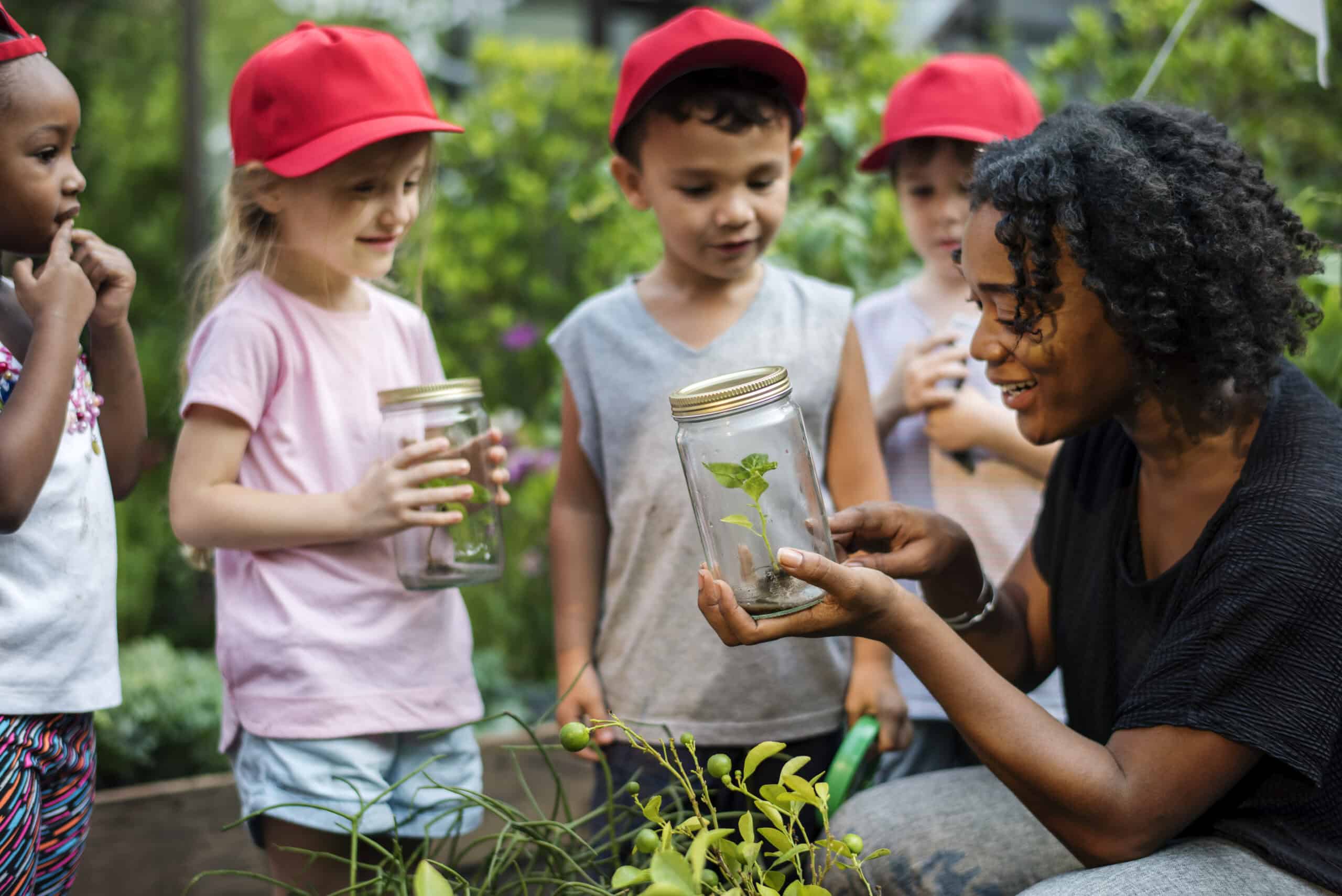
Get ready to depart on our marvellous minibeast safari. But there is no need to pack your bags for this trip, just bring your sense of adventure! Explore the garden habitats of the Sustainability Centre in search of local minibeasts. View them up close to discover their amazing features, how they move and feed and the important roles they play in our environment. Come on a journey into our Giant Compost Bin to find even more creepy crawly friends.
Program activities:
- Minibeast Hunt: Students explore the grounds of the Sustainability Centre to search for and collect magnificent minibeasts.
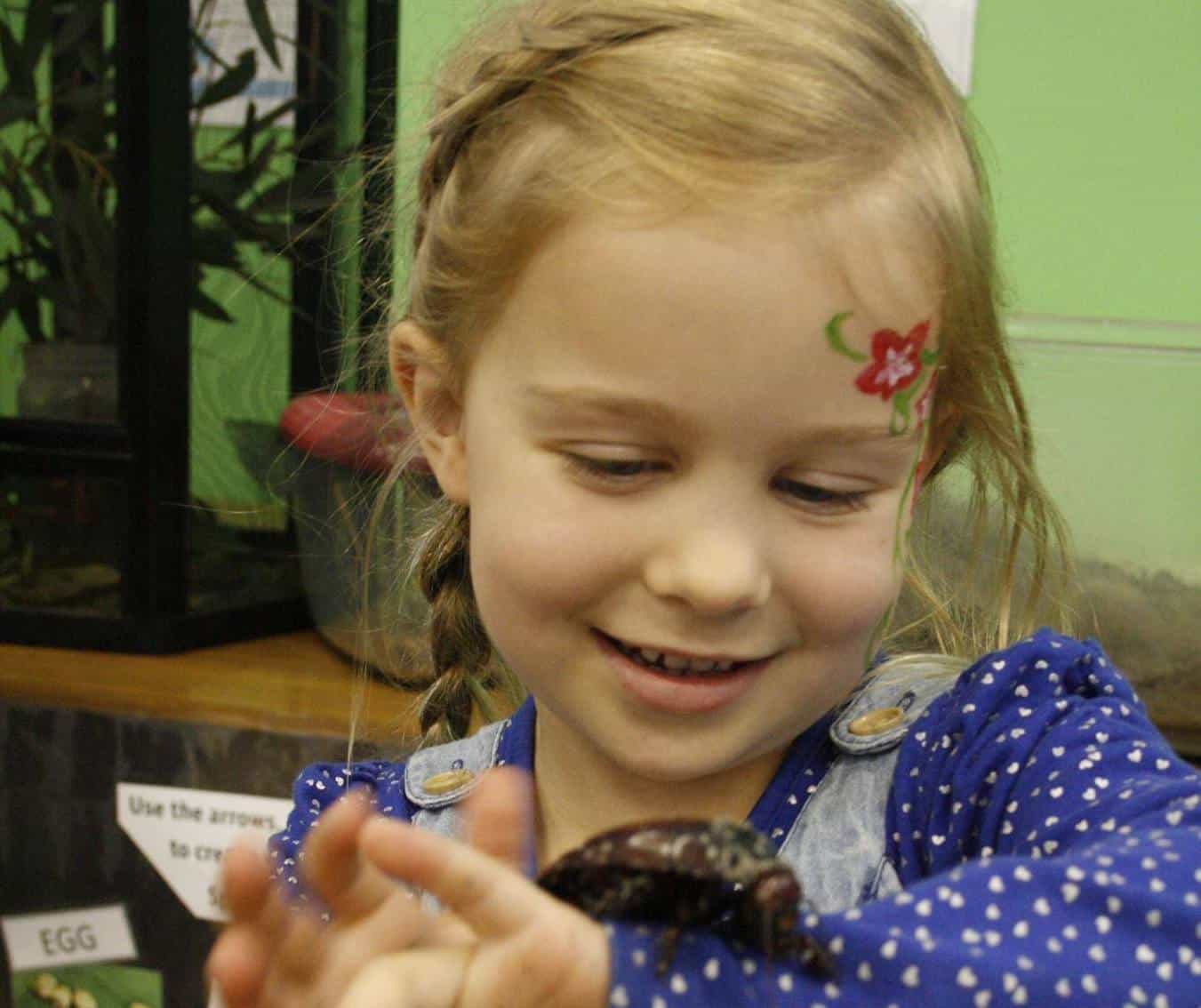
- Bugs Up Close: Using our video-microscope, children can view their minibeasts and discover their different body parts and how they move and feed. Students will also meet our resident minibeasts including Spiny Leaf Insects and Giant Burrowing Cockroaches.
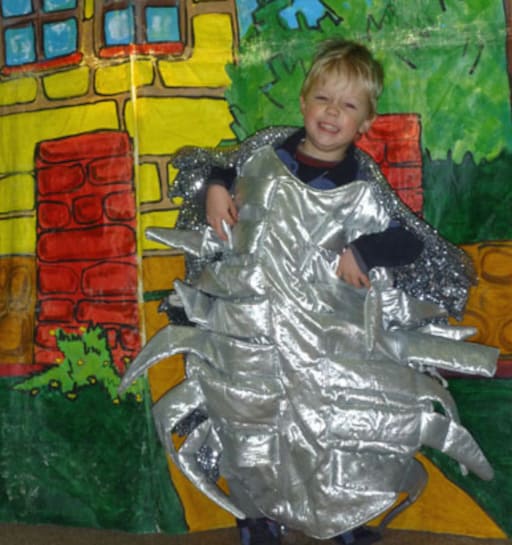
- Minibeast Make-believe: Through dress up, children enter the magical and diverse world of minibeasts. Students will venture through our “Incredible Shrinking Machine” to explore inside a compost bin and meet the creatures that call this place home.
- Worms Up Close: Students will meet our wonderful wriggly worms from our worm farm and uncover the important role they play in recycling our food waste.
Duration: The program is 1 hour and 30 minutes with a 15-minute break halfway through, but can be adapted if required.
Restrictions: Maximum of 25 children per group. Adults are free of charge and we suggest a ratio of one adult for every three children to aid supervision. No younger siblings please.
Curriculum Connections:
Children are connected with and contribute to their world (Community). Victorian Early Years Learning and Development Framework Outcome 2.
Children are confident and involved learners (Learning). Victorian Early Years Learning and Development Framework Outcome 4.
Children are effective communicators (Communication). Victorian Early Years Learning and Development Framework Outcome 5.