
FIRE and the FOREST: Level 5 – 6
-
Forest
-
Human Impacts
Excursion Program Overview
Step into one of Victoria’s most iconic forest environments and discover how bushfires shape our landscapes, wildlife and communities.
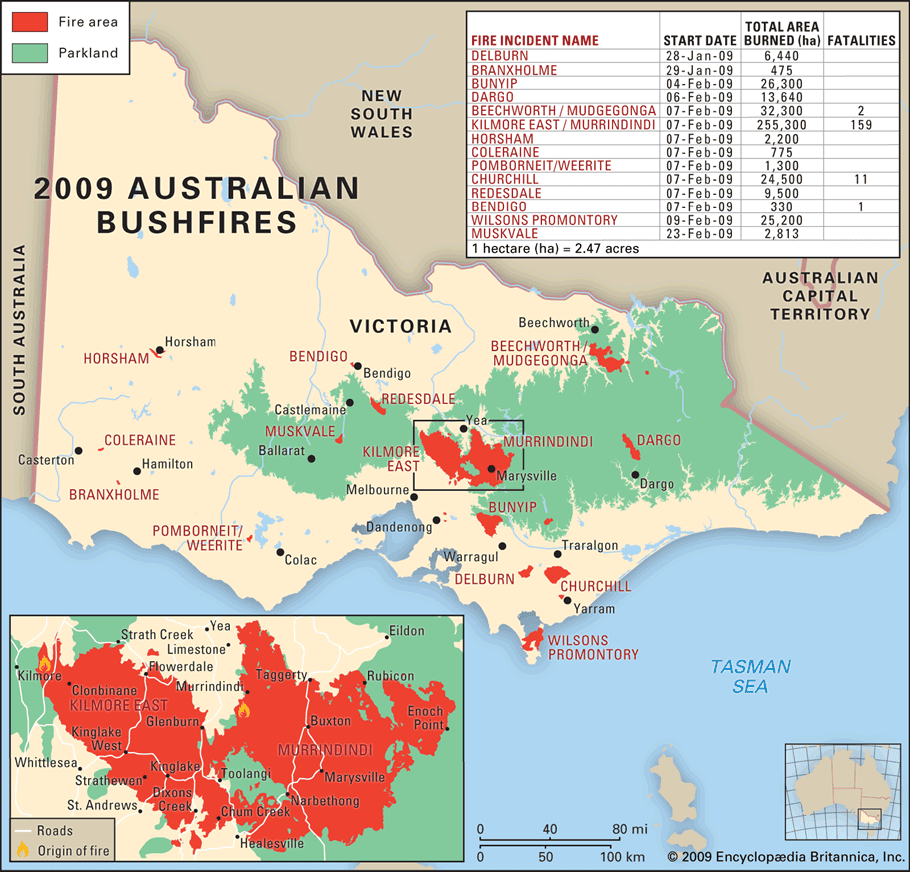
This immersive field-based excursion takes students to Toolangi State Forest and Kinglake to investigate the science of fire, explore forest ecology and examine the lasting impacts of Victoria’s Black Saturday bushfires. Through hands-on investigations and real-world case studies, students develop a deeper understanding of bushfire behaviour, forest management and community resilience.
Students will:
- Investigate how and why bushfires start and spread.
- Explore the factors that influence bushfire risk, including weather, climate and fuel loads.
- Examine the Forest Fire Danger Rating system and how scientific data is used to predict and manage fire risk.
- Visit sites affected by the Black Saturday bushfires and reflect on their environmental and community impacts.
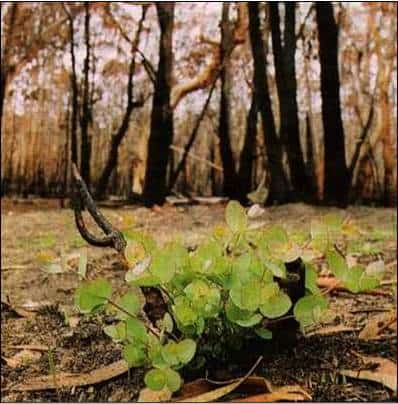
- Discover how native plants and animals have adapted to survive in Australia’s fire-prone environments.
- Conduct a fuel hazard assessment and field sketch as part of a real forest investigation.
- Explore the roles of DEECA, CFA and local communities in preventing, preparing for and responding to bushfires.
- Consider how active citizenship and community action contribute to disaster preparedness, recovery and environmental stewardship.
Why teachers choose this program
✅ Curriculum-aligned Science, Geography and Civics & Citizenship learning
✅ Authentic fieldwork in a Mountain Ash forest ecosystem
✅ Real-world investigation of bushfire management and preparedness
✅ Strong links to sustainability, resilience and environmental citizenship
✅ Hands-on data collection and observation activities
✅ Memorable learning connected to significant Victorian events and places
Inclusions and Notes
Equipment supplied by Gould League
- Student workbook
- All equipment required for fieldwork investigations and data collection
- Qualified Gould League educators throughout the excursion
Students should bring
- Recess, lunch and drinking water
- Clipboard and pencil
- Gould League workbook (provided to schools approx 10 days prior to the excursion)
- Sunscreen and weather-appropriate clothing
- A small bag for personal rubbish
School requirements
Schools are required to provide:
- A bus that remains with the group throughout the excursion
- First aid kit
- Sunscreen, insect repellent and hand sanitiser
- Any student-specific medication and support equipment required by the group
Educator Travel Arrangements
Gould League educators travel with students on the bus for the duration of the program, providing interpretation, educational commentary and directions to excursion locations.
Please ensure one seat is available for each Gould League educator. If space is unavailable, Gould League can provide a support vehicle and a travel fee of $1 per km will apply. This amount will vary according to the activities undertaken on the day which can vary due to late arrival of buses and or local weather conditions. Travel cost to the Memorial and Masons Falls at Kinglake is $62 ($35.20 if only to the Memorial). This covers the cost of one vehicle only as Gould League Educators will typically carpool. Please discuss this with our Bookings Co-ordinator when confirming your excursion.
Weather and Fire Restrictions
This program operates within the Toolangi State Forest and Kinglake region and does not run on days of Extreme or Catastrophic Fire Danger. Programs may occasionally be postponed due to severe weather forecasts such as damaging winds or storms. Where this occurs, we will work with schools to reschedule the excursion as soon as practicable.
Programs DO operate during wet/snowy weather and during the winter months. Toolangi is typically several degrees cooler and wetter than suburban Melbourne, particularly between April and October. We recommend that students and staff wear:
- Sturdy closed-toe footwear
- Warm layers
- Waterproof clothing
Victorian Curriculum Links F-10 Version 2.0 (Levels 5-6)
Science as a Human Endeavour
VC2SC6HE01 — Explain how scientific knowledge helps people make decisions and solve problems.
VC2SC6HE02 — Describe how scientific developments have changed society and the environment.
Biological Sciences
VC2SC6U03 — Investigate how structural and behavioural adaptations support survival.
VC2SC6U04 — Explain relationships between environmental conditions and survival.
VC2SC6U04 — Environmental conditions and survival.
VC2SC6U05 — Predict how changes in environments affect living things.
Science Inquiry Skills
VC2SC6I03 — Organise data using tables, graphs and digital tools.
VC2SC6I04 — Identify patterns and relationships in data.
VC2SC6I05 — Compare results with predictions and develop evidence based explanations.
VC2SC6I06 — Evaluate methods and suggest improvements.
Communicating Science
VC2SC6I07 — Communicate scientific explanations using evidence and appropriate representations.
GEOGRAPHY – Bushfires & Floods
VC2GG6U02 — Explain environmental hazards (including bushfires/floods) and their impacts.
VC2GG6U03 — Describe strategies for prevention, mitigation and preparedness.
Awareness & Opinions of Places
VC2GG6U04 — Factors influencing perceptions of places.
VC2GG6U05 — How people’s values and experiences shape opinions about places.
Geographical Data & Information
VC2GG6I01 — Collect and record geographical data ethically.
VC2GG6I02 — Represent data using maps, diagrams and digital spatial technologies.
VC2GG6I03 — Interpret maps and spatial data to draw conclusions.
History
VC2HH6U02 — Significant individuals, groups and events that shaped Australian society.
VC2HH6U03 — Evaluate the significance of historical events and their impacts.
Laws and Citizens
How rules and laws support community safety (this is where emergency management concepts fit)
Citizenship, Diversity and Identity
Rights and responsibilities of citizens
What it means to be an active citizen
Global citizenship and obligations beyond Australia
How groups take action to address issues
The Victorian Curriculum F-10 content elements are © VCAA, reproduced by permission. Victorian Curriculum F-10 elements accurate at time of publication. The VCAA does not endorse or make any warranties regarding this resource. The Victorian Curriculum F-10 and related content can be accessed directly at the VCAA website.