
Wonderful World of Worms Incursion
-
Sustainability
-
Worms & Compost
-
Waste Minimisation
-
Healthy soil and gardens
Incursion Overview
Did you know that Australia is home to 1,000 species of earthworm, including the Giant Gippsland Earthworm, the world’s largest worm? Burrow into the world of the earthworm and discover how these creatures are able survive underground. What features do they have to help them breathe, move and feed under the soil? Earthworms can eat their own body weight in food every day, which makes them perfect to tackle our food waste problem. Discover how worm farms are helping homes, schools and kindergartens to recycle their food scraps.
Check out the cute video one of our schools made of one of our recent visits with Wonderful world of worms!
Program Activities
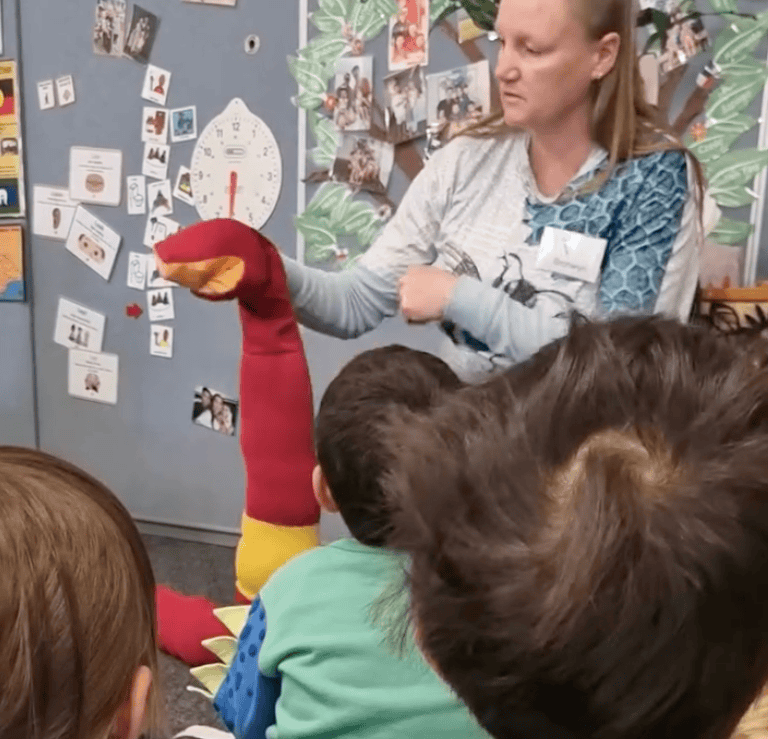
The Wonders of Worm Farms: Using puppets and storybooks, children will discover how worms are adapted to life underground and the important role they play in recycling our food waste.
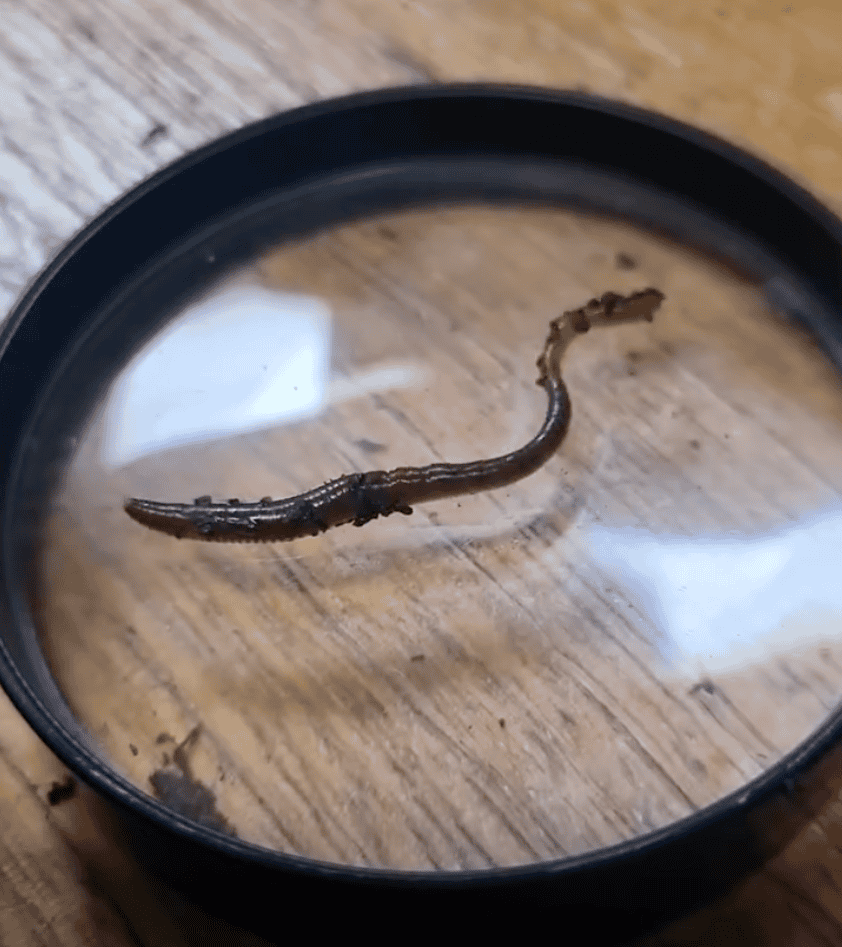
Worms Up Close: Children will meet our wonderful wriggly worms from our worm farm and uncover how they move, feed and reproduce.
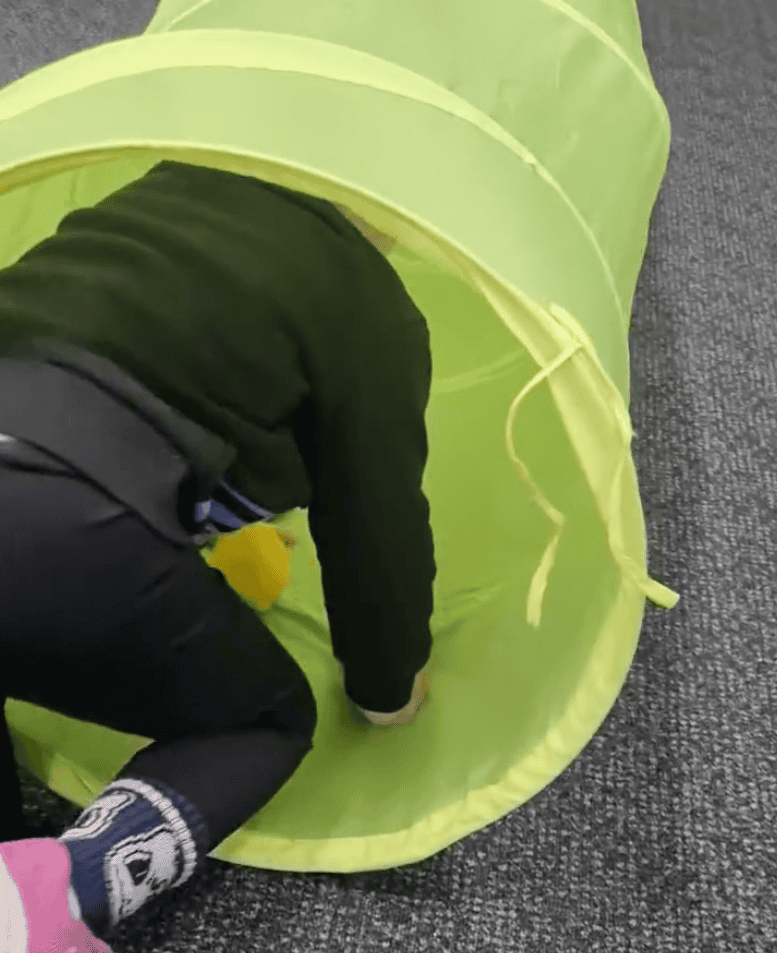
Wiggly Worm Relay: Our worms are hungry and we need the children to feed them. The students will race through some wriggly worm tunnels to sort different food items for the worms’ lunch.
Notes and Inclusions
Suitable for 3 and 4 year old kinder kids! Note – free programs for Cardinia Shire are for 4 year old students only!
Duration: 60 Minutes. Can be customised based on the needs of your learners.
Restrictions: Maximum of 25 children per Gould League educator. Greater Melbourne Only.
Expected Costs: Unless this is a free program paid for by your local council, we charge a fee for each program delivered to your Kinder/ELC. In addition to the program cost, there are extra charges to cover the return travel from our base in Cheltenham, as well as the time required for our staff to travel and take paid breaks.
Your total cost will depend on how far your service is from Cheltenham and how your daily timetable is structured.
Your quote will clearly list all applicable charges, which may include:
- the program cost per number of groups you have booked
- the cost for the time our educator spends travelling to and from your kinder/centre/school
- the cost for the educator’s time during recess, lunch, or other required breaks
- return fuel costs charged at $0.98 per kilometre
Testimonial
“Children really enjoyed the session. Bec has planned the activities thoughtfully, including storytime, game time and worm exploration time”. Silkwood Stars Kinder
“We loved the program! Bec was informative and engaging.” Kinderlea Preschool
“Penny was engaging and fun – the children were entertained and educated at the same time! “Cooinda Uniting Kindergarten
“Ali was amazing. What a fun, engaging, great learning program. So thankful for real life learning, hands on and linked to nature, our world and sustainability. The program was Excellent!” Lang Lang Pre-School
Curriculum Connections
The Victorian Early Years Learning Framework Outcomes relevant to this program are as follows
Outcome 2: Children are connected with and contribute to their world (Community).
– Children become socially responsible and show respect for the environment
Outcome 4: Children are confident and involved learners (Learning).
– Children develop dispositions for learning such as curiosity, cooperation, confidence, creativity, commitment, enthusiasm, persistence, imagination and reflexivity
– Children develop a range of skills and processes such as problem solving, enquiry, experimentation, hypothesising, researching and investigating
– Children transfer and adapt what they have learned from one context to another
– Children resource their own learning through connecting with people, place, technologies and natural and processed materials
Outcome 5: Children are effective communicators (Communication).
– Children express ideas and make meaning using a range of media
– Children interact verbally and non-verbally with others for a range of purposes
Programs also meet: National Quality Standards: Standard 3.3