
Wild about Waste – School Holiday Incursion
-
Waste
-
Earth’s Treasures
-
Worms & compost
-
Recycling
-
Innovation and Upcycling
-
Hands on activities
Let us deliver a multi-age School Holiday Program at your centre where children get to go Wild about Waste. We will bring the program to you so you don’t have to worry about the extra cost of buses or the additional paperwork and permission slips to take the kids out of your centre! Check out this short video of program highlights.
Wild About Waste
Choose any 3 of the listed activities so we can make your kids go Wild about Waste!
Earth’s Treasures: The world around us contains treasure – not Pirate treasure – but what we call “Earth’s Treasures”. Everything we will ever need, use or make comes from one of these treasures or natural resources, that are of cause in limited supply. This program explores these treasures and what we can do to look after them. We embark on a journey of discovery as we explore every day materials such as glass, paper, aluminium, steel and plastic, identify which natural resource they come from and challenge current waste management behaviour at school and home to ensure a sustainable future.
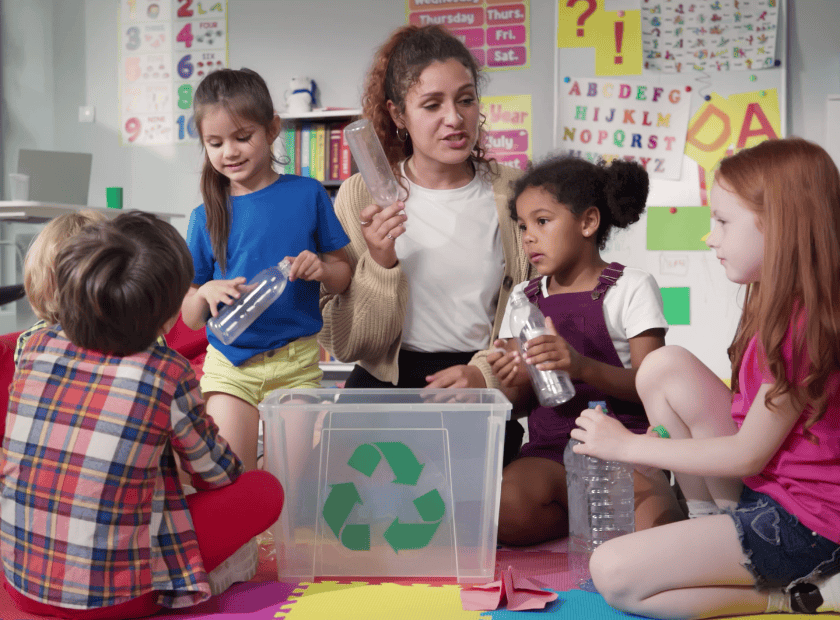
Recycling relay: What’s rubbish? Why is it bad? What is recycling? How do we recycle right? This activity shows students how to waste less and recycling right!
Waste not, want not: Did you know today’s waste are tomorrows most amazing products if we design products and recycle right? Learn how coffee waste is being turned into textiles, chewing gum into gum boot and keep cups and fishing line into carpets and dog collars though a fun matching activity that will open their eyes to the value of waste!
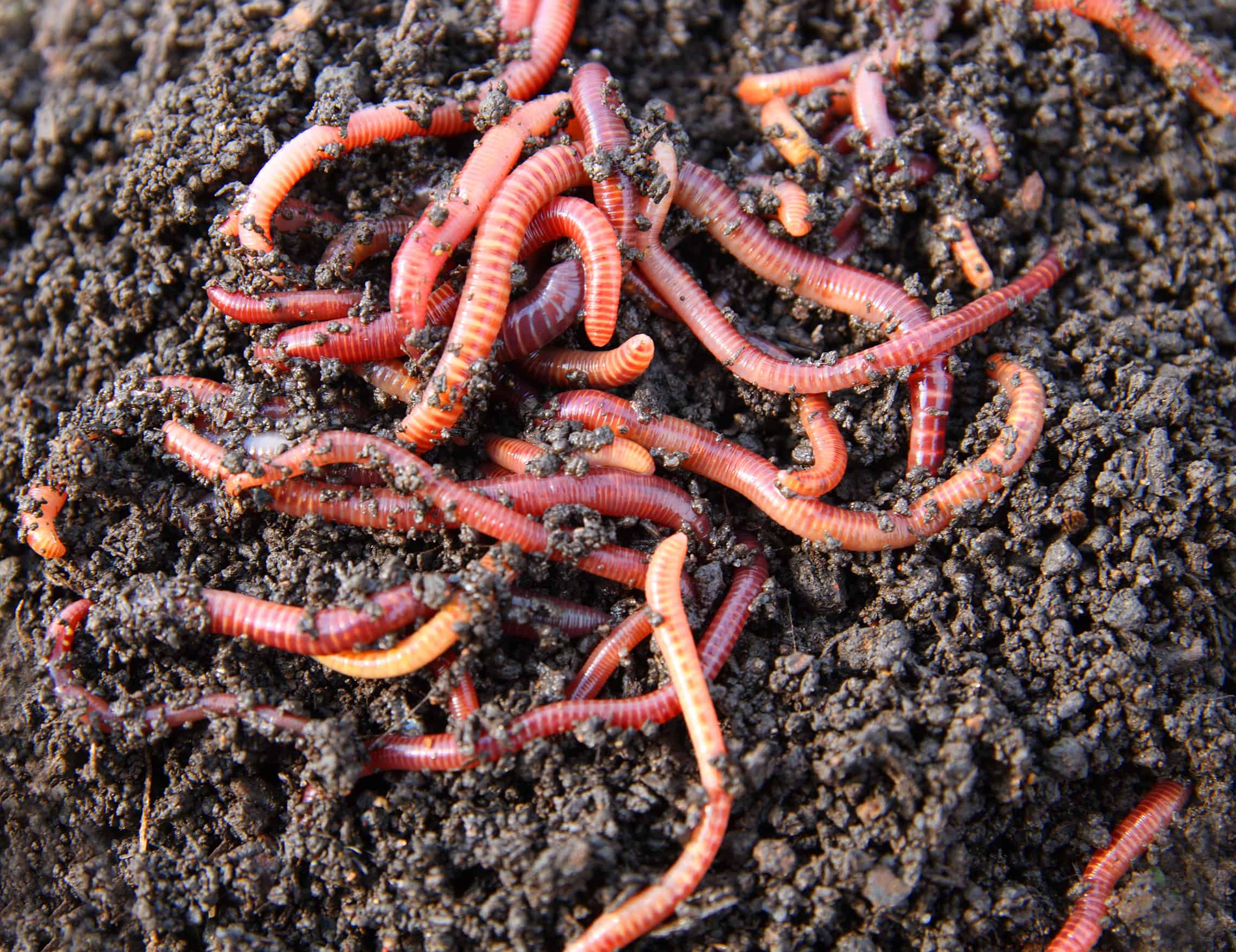
Wonderful Worms: This is a great opportunity for students to learn about the wonderful world of worms (did you know the have both male and female body parts, can eating their own body weight in food every day, have 5 hearts) and help us recycle our food waste!
Marine Timeline: Have you ever thought about how long it takes for waste to break down in our oceans? This activity gets students to work out how long it takes for everyday items that end up in our oceans to break down.
Waste Audit. Ever wondered what’s in your bin? Here’s a chance to find out by sifting through your bins and seeing what’s there that shouldn’t be! This is ideal for centres who are just starting their waste journey!
Call to Action
Students are empowered to create positive change around waste reduction and our shared environment.
Certificate and Conservation Code to reinforce learnings
Post event, centres will be issued a Certificate of Participation and Conservation Code for each class, which students are encouraged to sign and hang in the classroom as a reminder of their learnings and their commitment to protect the environment.
We encourage centres to connect with us a few weeks or months after incursions to share behaviour changes made by the students or activities undertaken as a result of their learnings so we can share success stories to inspire others, monitor the ongoing impact of our programs and make relevant updates or changes if required.
Duration: 2 hours
Program timing considerations: Staff require 30 mins set up and 30 mins pack up, 15-minutes between groups to reset activities and a 30-minute break for lunch when more than 2 groups are booked.
What to Provide: Car park, multi-purpose room, floor space, 3 tables, aid or trolley to help carry equipment to deliver program.
Curriculum Links: All programs are designed to be fun, interactive and engaging for participants. Most importantly, they are developed to provide specific learning outcomes attached to the Victorian Curriculum. Links are as follows:
SCIENCE – SCIENCE UNDERSTANDING
Science as a human endeavour
– People use science in their daily lives (VCSSU041)
Chemical Sciences
– Objects are made of materials that have observable properties (VCSSU044)
– Everyday materials can be physically changed or combined with other materials in a variety of ways for particular purposes (VCSSU045)
Earth Sciences
– Earth’s resources are used in a variety of ways (VCSSU047)
SCIENCE INQUIRY SKILL
Questioning and Predicting
– Respond to and pose questions, and make predictions about familiar objects and events (VCSIS050)
Planning and Conducting
– Participate in guided investigations, including making observations using the senses, to explore and answer questions (VCSIS051)
Analysing and Evaluating
– Compare observations and predictions with those of others (VCSIS054)
Communicating
Represent and communicate observations and ideas about changes in objects and events in a variety of ways (VCSIS055)
The Victorian Curriculum F-10 content elements are © VCAA, reproduced by permission. Victorian Curriculum F-10 elements accurate at time of publication. The VCAA does not endorse or make any warranties regarding this resource. The Victorian Curriculum F-10 and related content can be accessed directly at the VCAA website.