


Family (Nest of Supporters) Membership 2026
$95.00
Description
Family – Nest of Supporters Membership
Proudly support the work of Gould League through our Nest of Supporters family membership package in 2026 which includes:
- A one-year membership for the whole family.
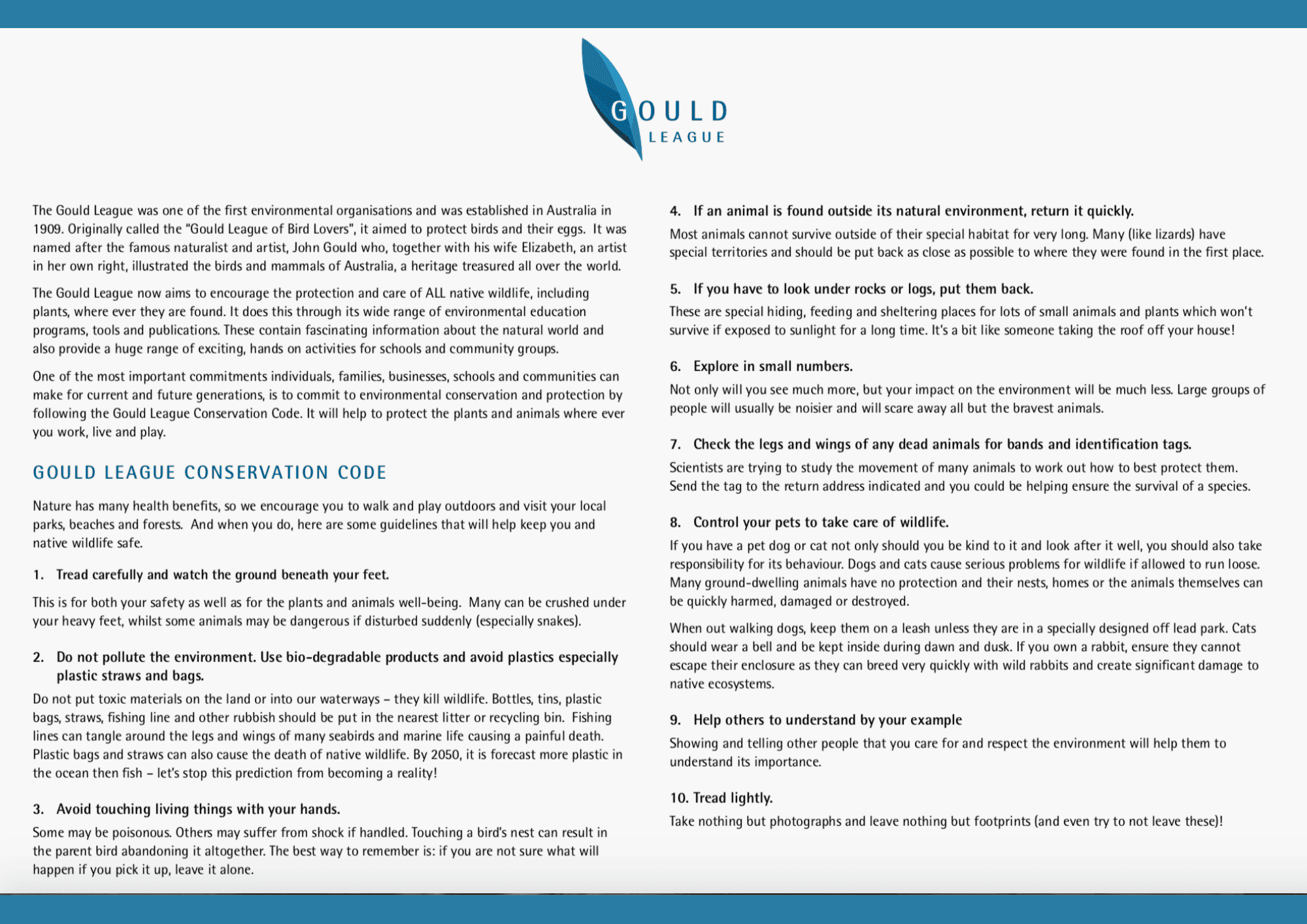
- A certificate (which incorporates Gould League’s Conservation Code on the back).
- 2 x annual badge featuring the Wedge-tailed Eagle
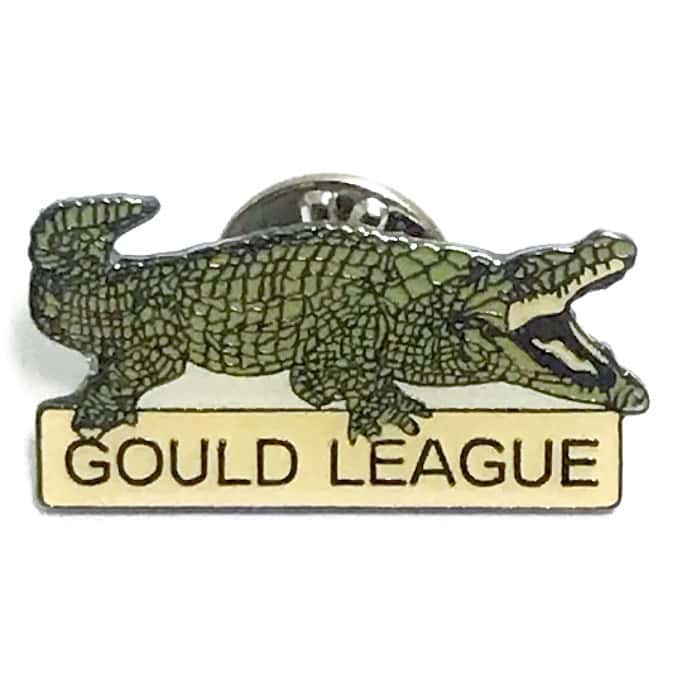
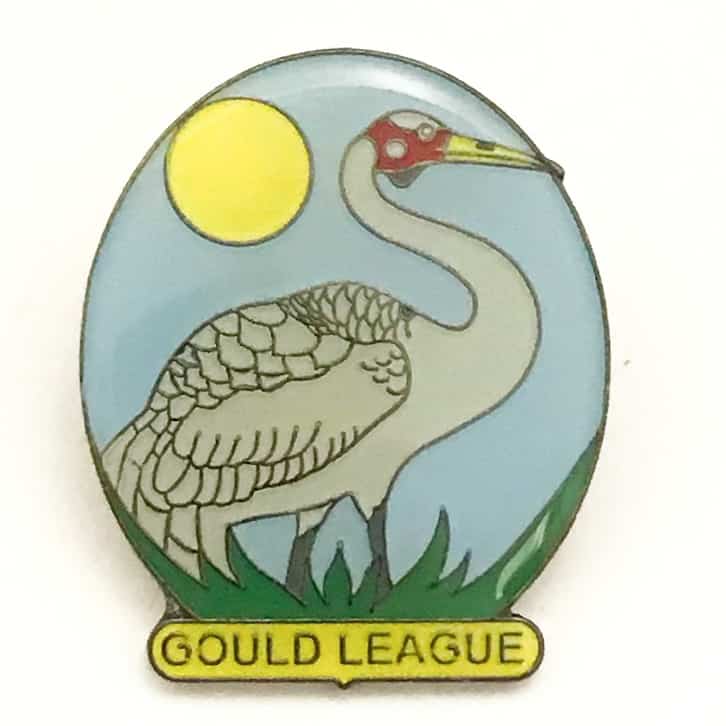
- 3 x other badges (Brolga, Crocodile and Leaf-tailed Gecko)
- 1 Gould League Birds of Prey poster
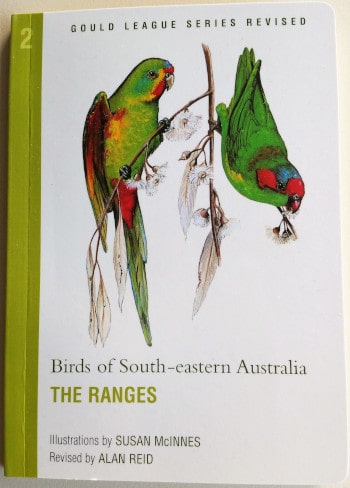
- A copy of our book of Birds of South-Eastern Australia THE RANGES (No 2 in the series) in which the Wedge-tailed Eagle is featured.
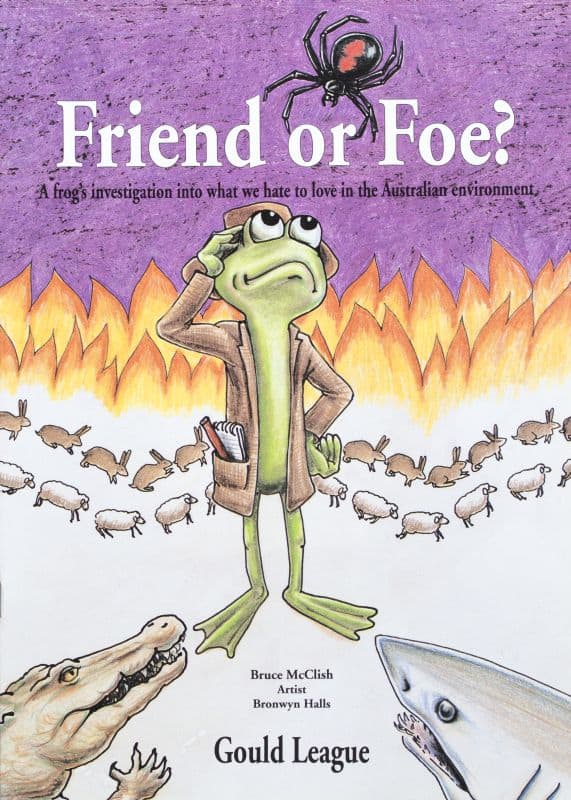
- For the junior members of the family, we have included a copy of the book Friend or Foe? A frog’s investigation into what we hate to love in the Australian environment. A fun and engaging way of seeing why some species are considered foes and not friends including the Wedge-tailed Eagle, putting a case for a change in people’s attitudes to remove labels and recognise the role each species has to play in our ecosystem.
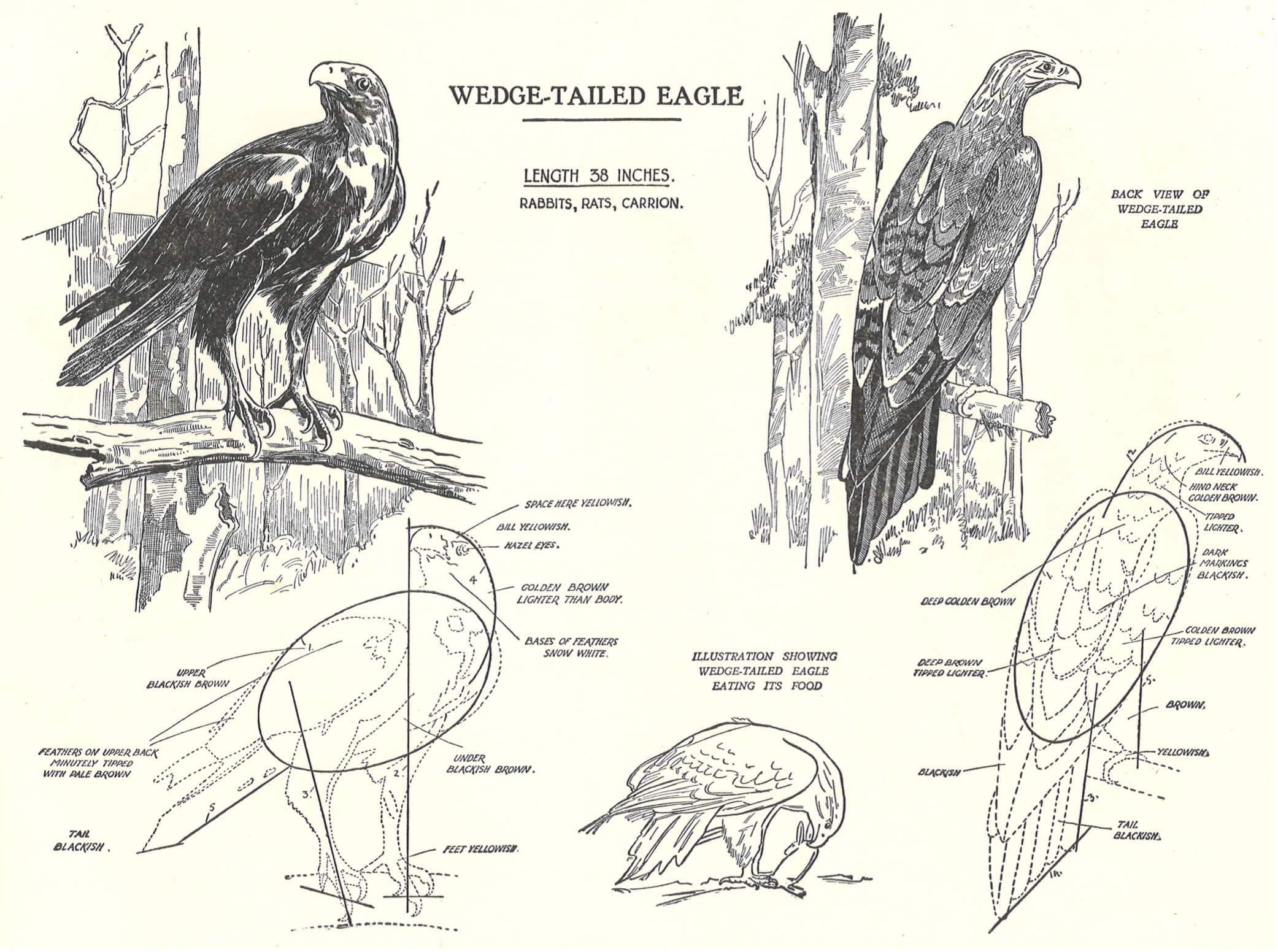
- Handout on how to draw an Eagle.
- Digital newsletters with filled with fun facts and free activities.
- 20% off bookshop products (great for when you are looking for a present with a purpose).
- Voting rights.
In 2026 our featured species is the Wedge-tailed Eagle (Aquila audax), also known as the eaglehawk – Australia’s largest living bird of prey and one of the largest eagles in the world. This not only aligns with the “UN Year of Rangelands and Pastoralists” where we aim to bridge a knowledge gap about sustainability in pastoralism and rangelands where the wedge-tail eagle, an apex predator plays an important role in helping to control invasive species and maintain environmental health, but also in recognition of Bunjil. Bunjil (also spelled Bundji)l, is a significant creator spirit and ancestral being, often depicted as a wedge-tailed eagle. The Kulin National reveres him as the creator of the land, its features, and its inhabitants, including people. Bunjil is also considered a protector of the natural world and a symbol of wisdom and guidance.
In 2026, Gould League are also introducing new modules on First Nations People of the Kulin Nation in all of our Ricketts Point programs and select programs at other sites including the Beaconsfield Flora and Fauna Reserve. Our programs address the cross-curriculum priority of Country and Place; Culture; and People, providing opportunities for all students to deepen their knowledge and understanding of Australia by learning about the world’s oldest continuous living cultures that are strong, resilient, rich and diverse.
The badges we are featuring as part of our family membership in 2026 aims to provide an opportunity for us all to learn about how First Nations people see some of our past featured species including the Brolga, Crocodile and Leaf-tail Gecko.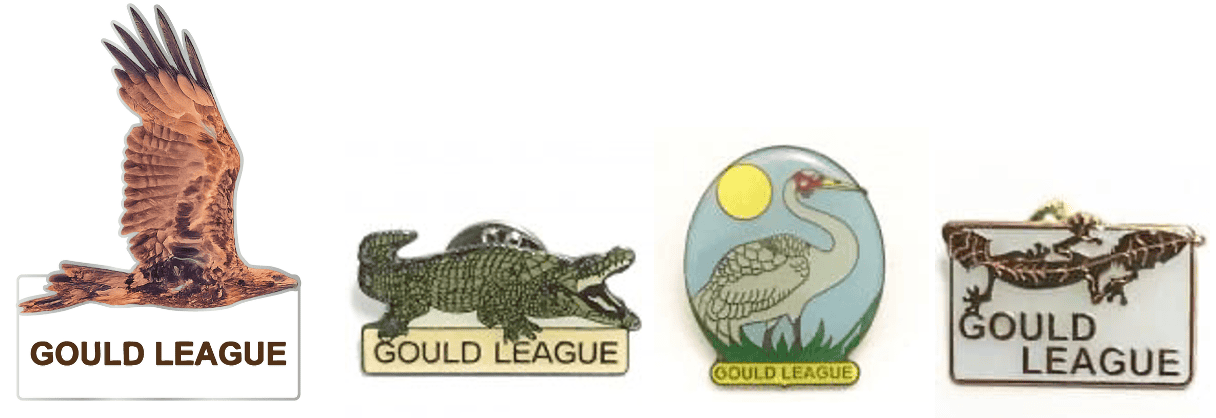 BROLGAS are found in rangelands, particularly in northern and eastern Australia, where they are widely respected across pastoral landscapes. While brolgas primarily rely on wetlands for breeding, feeding, and roosting, they also use surrounding dryland areas, including rangelands and paddocks, for foraging. The birds adapt well to some human-modified landscapes, and their continued presence in many pastoral areas suggests that these properties are managed in ways that are positive for their habitat needs.
However, the southern populations of brolgas are threatened due to habitat loss and degradation, and land management practices in these areas are crucial for their survival.
Brolgas hold significant cultural and spiritual importance for many First Nations peoples across Australia. They are integral to various stories, lore, dances, and belief systems, including the Dreaming.
- Totems and Kinship: Brolgas are often part of totemic systems, where individuals are assigned a natural element totem connected to their clan. In this system, people have a deep kinship with the bird, viewing the spirit of their ancestors as living through these creatures.
- Dreaming Stories: Brolgas feature prominently in numerous Dreaming stories that explain the creation of the land, bodies of water, and cultural practices. One well-known legend recounts a woman being transformed into the bird by an evil spirit so she could escape and dance for her people again.
- Sacred Dance and Ceremony: The brolga’s elaborate and graceful dance is highly significant. It is mimicked in traditional First Nations dances and ceremonies (corroborees) as a way of honouring the bird and acknowledging the connection between people and the natural world. The dance can represent ceremony, connection, and transformation.
- Cultural Preservation: The ongoing cultural significance of the brolga means that the preservation of the species is intrinsically linked to the preservation of culture and Country for the people who share a relationship with it.
GECKOS hold significant cultural and spiritual importance to First Nations people, though the specific beliefs vary among different language groups and nations.
A prominent example is Adnoartina, an ancestral being or deity in Australian Aboriginal mythology who takes the form of a gecko lizard. Adnoartina is a central figure in one of the Dreaming stories related to the creation of Uluru and is considered a sacred being by some central Australian groups, such as the Diyari people.
More broadly, geckos and lizards in general including our Leaf-tail Gecko symbolise various aspects in Aboriginal culture and Dreaming stories, which are fundamental to their understanding of the world:
- Creation and Ancestors: Lizards are often part of the Dreaming stories that explain the creation of the natural world and the roles of Ancestors and humans.
- Symbolism: The gecko generally symbolises resilience, adaptability, and the strength to overcome life’s challenges through embracing change and renewal.
- Totemic Status: In many cultures, animals like the goanna (a type of large lizard) hold totemic status, forming part of ceremonies and parables that teach about the law of the land and how to conduct oneself.
- Art and Ceremony: Geckos continue to be motifs in the art, music, and ceremonial practices of various Aboriginal cultures.
The CROCODILE hold significant and diverse cultural importance for many First Nations people across Northern Australia, where they are often revered as sacred totems and ancestral beings. However, the exact beliefs and practices vary among different Indigenous groups.
- Totems and Ancestral Spirits: For many coastal Aboriginal communities, the crocodile (known as Baru to the Gumatj clan and Ginga to the Gaagudju people) serves as a sacred totem, representing a spiritual connection to the land and a key part of their identity. Some believe that the souls of their ancestors reside in large saltwater crocodiles (salties) and will refuse to harm these older, venerable animals.
- Dreaming Stories: Crocodiles feature prominently in Dreamtime stories, which are historical, spiritual, and instructional narratives that explain the origins of the world, laws, and relationships within nature. These stories often depict crocodiles as powerful, ancient hunters that embody strength, stealth, and survival instincts.
- Symbolism: Crocodiles are symbolic of many qualities in Aboriginal art and culture, including:
– Strength and resilience
– Primal forces of nature
– Ancient wisdom and the ability to shape-shift
– Connection to waterways and the balance of ecosystems
Coexistence and Management
The relationship is complex, involving respect, spiritual connection, and practical coexistence:
- Respect and Caution: While revered, crocodiles are also powerful and dangerous predators. The relationship involves a deep respect for their place in the natural world and the dangers they present.
- Hunting and Food Source: Some communities have historically hunted smaller crocodiles and collected eggs as a food source for thousands of years, with no detrimental effect on the population. Certain parts of the crocodile, like the intestines, are considered a delicacy reserved for elders.
- Sustainable Management: Traditional knowledge is integral to modern crocodile management in the Northern Territory. The sustainable harvesting of crocodile eggs from traditional lands provides significant economic benefits to remote Aboriginal communities, linking conservation with livelihoods and ensuring the species’ recovery after past over-hunting by European settlers.
- Disrespecting Culture: Some Aboriginal people explain that conflict with crocodiles (e.g., a person being eaten) is only likely to happen if cultural laws or the community are disrespected.